When Everything Can’t Be Done: How to Prioritize Tasks in Facilities Management

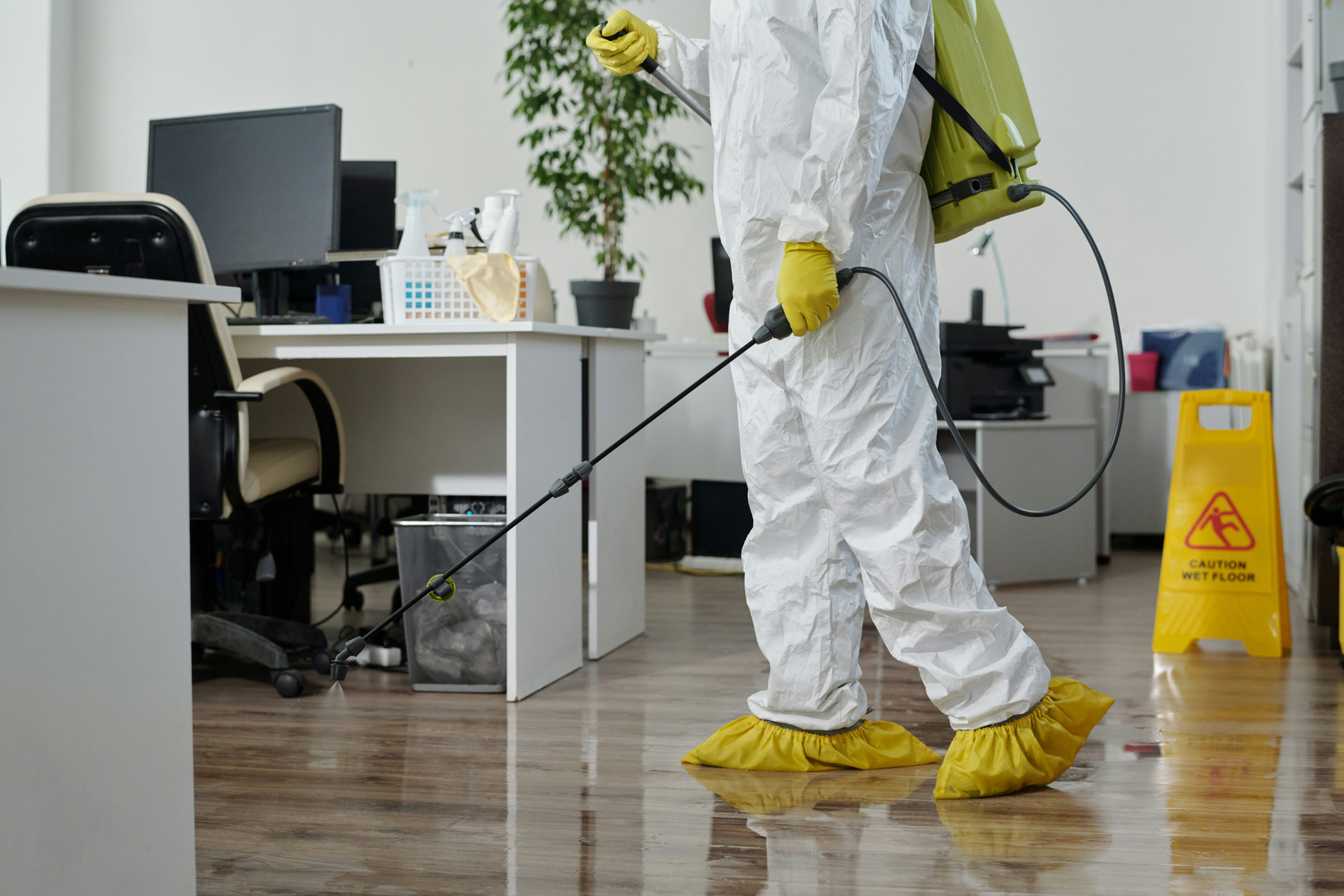
Master the art of prioritization to keep your facilities running efficiently
Cleaning
Cleaning
7 min
In facilities management, every day brings new challenges and competing demands. Learn practical strategies to distinguish what’s urgent from what’s important, build structure, and make data-driven decisions that help your team focus on what truly matters.
Ethan Cooper
Ethan
Cooper

When Everything Can’t Be Done: How to Prioritize Tasks in Facilities Management

Master the art of prioritization to keep your facilities running efficiently
Cleaning
Cleaning
7 min
In facilities management, every day brings new challenges and competing demands. Learn practical strategies to distinguish what’s urgent from what’s important, build structure, and make data-driven decisions that help your team focus on what truly matters.
Ethan Cooper
Ethan
Cooper

No two days in facilities management are ever the same. One day it’s about coordinating cleaning schedules and preventive maintenance; the next, it’s emergency repairs, budget reviews, and vendor calls. When everything feels urgent and resources are limited, the ability to prioritize becomes essential. Without clear priorities, the most important work can easily get lost in the noise of the day-to-day. Here’s how facility managers across Canada can create structure, make better decisions, and keep operations running smoothly—even when not everything can be done.

Know the Difference Between Urgent and Important

A common challenge in facilities management is distinguishing between what needs attention now and what matters most in the long run. A leaking pipe might seem minor, but left unchecked, it can lead to costly water damage—so it deserves immediate action. On the other hand, updating a preventive maintenance plan can wait a few days if a critical HVAC system goes down.

A useful tool is the Eisenhower Matrix, which divides tasks into four categories:

  • Important and urgent – do these right away.
  • Important but not urgent – schedule them.
  • Not important but urgent – delegate if possible.
  • Neither important nor urgent – consider dropping them.

This simple framework helps you visualize where your time and energy will have the greatest impact.

Build Structure Through Routine

When multiple demands compete for attention, structure is your best ally. Start each day with a short check-in or a quick review of top priorities. It doesn’t have to take more than ten minutes, but it ensures everyone on the team is aligned.

Create a weekly plan that includes time for operations, planning, and follow-up. It may sound basic, but consistent routines free up mental bandwidth and make it easier to handle unexpected issues when they arise—whether it’s a snowstorm in Calgary or a power outage in Halifax.

Use Data to Drive Decisions

Modern facilities management is increasingly data-driven. Digital platforms and building management systems can provide insights into everything from energy consumption and cleaning frequency to maintenance trends. By analyzing this data, you can make decisions based on facts rather than assumptions.

For example, tracking work orders might reveal that one building consistently generates more maintenance requests than others. That insight allows you to plan preventive maintenance where it’s most needed, saving both time and money while reducing downtime.

Involve Your Team in Setting Priorities

No facility manager can do it all alone. Engaging your team—and even your service providers—in the prioritization process is key. The people closest to the work often have valuable insights into what’s truly urgent and what can wait.

Encourage open discussions about priorities during team meetings. This not only builds ownership but also helps prevent misunderstandings and frustration. When everyone understands why certain tasks take precedence, collaboration becomes smoother and morale improves.

Learn to Say “Not Now”

In a service-oriented field like facilities management, saying no can feel uncomfortable. But saying “not now” isn’t the same as refusing a task—it’s about being realistic and transparent about what can be done and when.

Communicate clearly with leadership, tenants, and other stakeholders about which tasks are being prioritized and why. This transparency builds trust and helps manage expectations. It also allows you to focus on delivering quality work instead of rushing through everything at once.

Review and Adjust Regularly

Prioritization isn’t a one-time exercise—it’s an ongoing process. Needs change, budgets shift, and new challenges emerge. Regularly review your priorities to ensure they still align with operational goals.

Hold brief check-ins or monthly reviews to discuss what’s working well and what needs adjustment. These moments of reflection help you stay proactive and prevent small issues from becoming major disruptions.

When Everything Can’t Be Done, Do What Matters Most

In facilities management, there will always be more tasks than hours in the day. But with clear priorities, structured routines, and open communication, you can ensure that the most critical work gets done—and done well. It’s not about doing everything; it’s about doing what truly matters for safety, efficiency, and long-term value.

Collaboration on Hygiene: How to Engage Staff and Parents in Good Routines
Strengthen hygiene habits through teamwork between staff and parents
Cleaning
Cleaning
Hygiene
Collaboration
Childcare
Health Education
School Community
7 min
Discover how collaboration between staff and parents can build lasting hygiene routines in childcare and school settings. Learn practical ways to create shared responsibility, motivate good habits, and support a healthier environment for children.
Claire Powell
Claire
Powell
Standardize cleaning equipment – and make everyday life easier for both staff and logistics
Simplify routines and boost efficiency by unifying your cleaning tools
Cleaning
Cleaning
Cleaning
Standardization
Facility Management
Efficiency
Workplace
2 min
Discover how standardizing cleaning equipment can reduce complexity, save time, and improve both staff satisfaction and logistics efficiency. Learn practical steps to create a more consistent, cost-effective, and well-functioning cleaning process across your organization.
Oliver Kelly
Oliver
Kelly
When Everything Can’t Be Done: How to Prioritize Tasks in Facilities Management
Master the art of prioritization to keep your facilities running efficiently
Cleaning
Cleaning
Facilities Management
Task Prioritization
Operations
Leadership
Productivity
7 min
In facilities management, every day brings new challenges and competing demands. Learn practical strategies to distinguish what’s urgent from what’s important, build structure, and make data-driven decisions that help your team focus on what truly matters.
Ethan Cooper
Ethan
Cooper
An overview of meeting tables in many varieties
Create the best framework for collaboration and productivity with the right meeting table
Companies
Companies
Meeting tables
Office interior
Work environment
Office furniture
Collaboration
7 min
Meeting tables come in many sizes, shapes and materials. In this article, you’ll get a comprehensive overview of what to consider when choosing a meeting table, and which types and brands are worth knowing about.
Owen Rodriguez
Owen
Rodriguez
Ink cartridges – choose the right one for your equipment
Get control of quality, compatibility and price before you buy
Companies
Companies
Ink cartridges
Printers
Office equipment
Consumables
Business
3 min
Ink cartridges affect both print quality and operating costs. In this article, you get an overview of types, brands and practical considerations, so you can choose the cartridges that best suit your printer and your needs.
Jacob Morris
Jacob
Morris
Printers – from laser to ink and thermal printing
Find the printer that matches your needs at the office or at home
Companies
Companies
Printer
Home office
Office equipment
Technology
Buying guide
7 min
Printers come in many varieties – from fast laser printers to colourful ink models and thermal label printers. Get an overview of the most important types, features and brands, so you can choose the printer that best suits your needs.
Claire Powell
Claire
Powell
Espresso machines – how to preserve the taste and quality
Turn your coffee break into a moment of true enjoyment
Companies
Companies
Espresso machine
Coffee
Buying guide
Home barista
Lifestyle
4 min
Espresso machines allow you to enjoy barista-quality coffee at home. Read about the key considerations before buying, the differences between machine types, and how to preserve the taste and quality in every single cup.
Oliver Kelly
Oliver
Kelly
See the range of waste bins for different needs
Make waste management easier and more hygienic in everyday life
Companies
Companies
Waste bin
Cleaning
Hygiene
Facility management
Waste sorting
5 min
Waste bins come in many sizes, materials and designs. Get an overview of the most important types, functions and brands so that you can choose the solution that best suits your company’s needs and hygiene requirements.
Ethan Cooper
Ethan
Cooper