Collaboration on Hygiene: How to Engage Staff and Parents in Good Routines


Collaboration on Hygiene: How to Engage Staff and Parents in Good Routines
Good hygiene is a shared responsibility—especially in places where children and adults interact daily, such as childcare centres, schools, and after‑school programs. Both staff and parents play a vital role in preventing illness and creating safe, healthy environments for children. But how can everyone be encouraged to take ownership and work together on good hygiene habits? Here are some ideas for strengthening collaboration on hygiene in everyday routines.
Build Shared Understanding and Ownership
The first step toward better hygiene is ensuring that everyone understands why it matters. Handwashing and cleaning may seem like simple tasks, but they have a major impact on reducing the spread of infections and supporting overall well‑being.
Invite staff and parents to discuss what good hygiene means in your setting. This could happen during a staff meeting, a parent evening, or through a newsletter. When everyone has a chance to share experiences and suggestions, they feel more invested—and that sense of ownership increases the likelihood that routines will be followed consistently.
Make Hygiene Visible and Practical
Hygiene is easier to remember when it’s visible in daily life. Use posters, pictograms, and reminders near sinks, washrooms, and eating areas. These visual cues help both children and adults stay mindful of good habits.
Consider organizing a “Hygiene Week” to make the topic engaging. Activities could include handwashing songs for younger children, fun quizzes for staff, or a poster contest for families. Turning hygiene into a shared, positive experience helps it feel less like a rule and more like a community value.
Actively Involve Parents
Parents are key partners because many habits start at home. Share practical tips on handwashing, cough etiquette, and cleaning lunch containers or water bottles. This can be done through newsletters, social media updates, or short videos on the centre’s website.
You might also invite parents to a health and wellness day where hygiene is one of the focus areas. When parents see themselves as part of the solution—not just recipients of guidelines—the partnership becomes stronger and more effective.
Læs også:
Empower Staff as Role Models
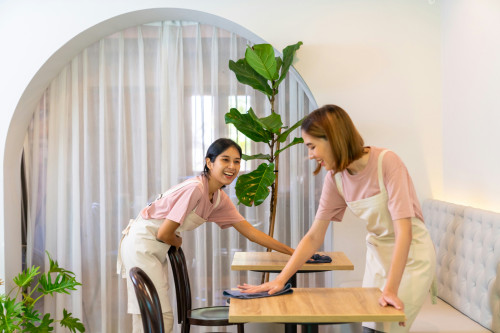
Children learn best by observing adults. That’s why it’s essential for staff to model good hygiene practices themselves. Ensure that there’s enough time and resources for proper routines—such as washing hands between activities or cleaning surfaces regularly.
It can also be helpful to appoint one or two “hygiene champions” among the staff. They can monitor how routines are working, share reminders, and suggest improvements. This fosters a culture where hygiene is a natural part of daily life rather than an added burden.
Establish Clear Guidelines and Follow‑Up
Strong collaboration depends on clear expectations. Develop a concise hygiene policy that outlines who is responsible for what and when. This might include handwashing procedures, cleaning schedules, illness protocols, and food handling practices.
Review the policy regularly—at least once a year—and update it as needed. This shows that hygiene is taken seriously and that everyone shares responsibility for maintaining high standards.
Celebrate Successes
When teamwork pays off—fewer sick days, happier children, or smoother routines—take time to celebrate. Share results with both staff and parents to show that their efforts make a difference.
A simple thank‑you message, a small recognition event, or a note in the newsletter can go a long way. Acknowledging progress reinforces motivation and reminds everyone that good hygiene is built through shared commitment and consistency.
Working Together for a Healthy Community
Hygiene is more than cleaning—it’s a collective effort. When staff and parents collaborate, it becomes easier to create a culture where everyone takes responsibility for health and well‑being. With clear communication, visible routines, and shared goals, hygiene can become a natural and positive part of everyday life in Canadian childcare and school communities.
Læs også: