Purpose-Driven Event Marketing: How It Supports Your Business Goals


Purpose-Driven Event Marketing: How It Supports Your Business Goals
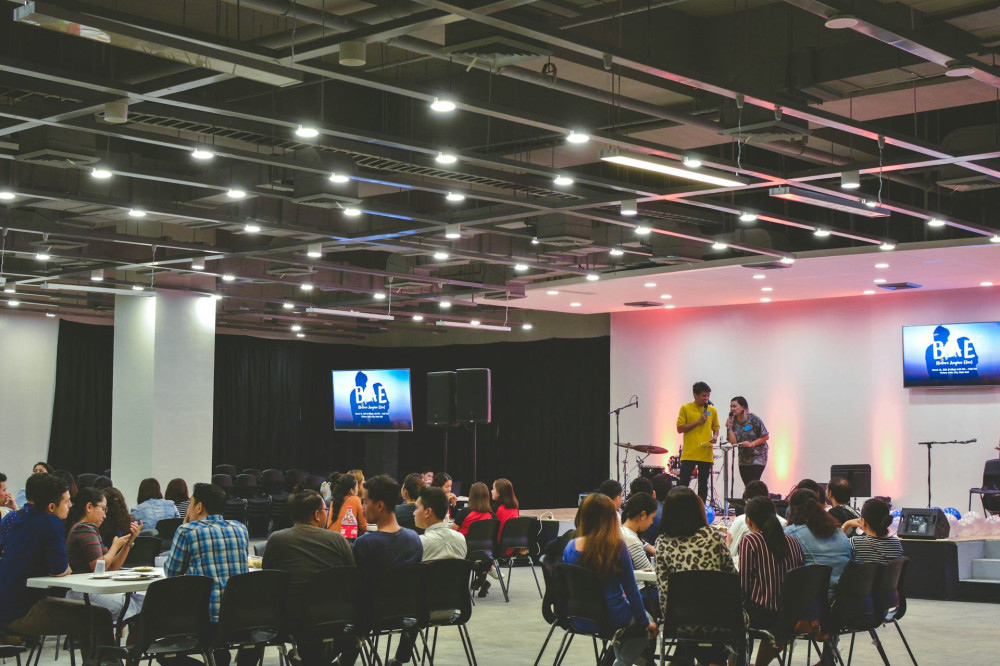
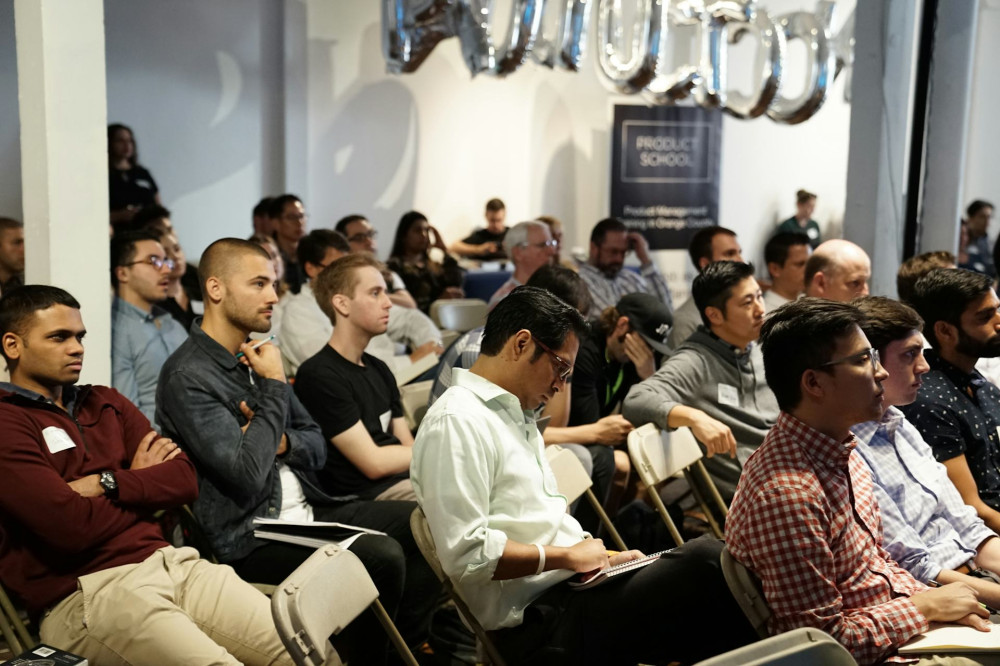
Event marketing is far more than lively gatherings and eye-catching displays. When done strategically, events can be one of the most powerful tools for building relationships, strengthening brand loyalty, and driving business growth. But success depends on one crucial factor: purpose. Every event should have a clear objective that aligns with your company’s broader goals. Here’s how purpose-driven event marketing can help Canadian businesses turn experiences into measurable results.
From Experience to Strategy
An event can take many forms — a product launch, a trade show, a community festival, or an internal team summit. What they all share is the ability to create direct, human connections — something increasingly valuable in a digital-first world.
However, an event should never stand alone. It must be part of a larger marketing strategy with a defined purpose: Is it meant to generate leads, strengthen your brand, engage employees, or build partnerships? Once the goal is clear, it becomes easier to design an experience that supports your company’s direction.
Know Your Purpose — and Measure It
One of the most common mistakes in event planning is focusing too much on logistics and too little on strategy. A successful event begins with a simple question: Why are we doing this?
The purpose can vary depending on the type of event:
- Brand Building: Increase awareness and create positive associations with your company.
- Customer Loyalty: Reward and retain existing clients through meaningful experiences.
- Lead Generation: Attract new prospects and create sales opportunities.
- Internal Culture: Strengthen team spirit and motivation among employees.
Once the purpose is defined, set measurable objectives — such as the number of qualified leads, customer satisfaction scores, media coverage, or employee engagement levels. These metrics make it possible to evaluate whether the event truly supported your business goals.
Create Experiences That Reflect Your Brand
An event is a living expression of your brand identity. Every detail — from the venue and design to the tone and content — should reflect your company’s values. If your brand stands for innovation, the event should feel forward-thinking. If it’s built on trust and community, the experience should be warm and authentic.
Think holistically: How do guests perceive the event before they arrive? What atmosphere greets them on-site? And what impression do they leave with afterward? A cohesive experience amplifies both emotional impact and business value.
Læs også:


Integrate Events Into Your Overall Marketing
Events work best when they’re integrated into your broader marketing efforts. Use digital channels to build anticipation before the event, share live updates during it, and follow up afterward with relevant content.
For example, an event can generate material for blog posts, videos, case studies, or social media stories that extend its impact well beyond the day itself. In this way, the event becomes part of an ongoing brand narrative rather than a one-time occasion.
Measure Impact — and Learn From It
After an event, it’s tempting to move on quickly. But the most important phase begins here: evaluation. Gather data, feedback, and observations, and compare them with the goals you set at the start.
- How many attendees converted into customers?
- How was the event covered in media and on social platforms?
- What value did participants perceive?
By analyzing the results, you can refine future events and demonstrate how they contribute to your bottom line.
When Purpose and Experience Work Together
The most successful events are those that feel meaningful to participants and strategically relevant to the business. Achieving that balance requires planning, creativity, and a clear understanding of how experiences translate into business value.
When event marketing is driven by purpose rather than chance, it becomes more than an expense — it becomes an investment in relationships, brand strength, and sustainable growth.
Læs også: