From Message to Experience: How an Event Agency Turns a Company’s Message into Engaging Experiences

From Message to Experience: How an Event Agency Turns a Company’s Message into Engaging Experiences
When a company wants to communicate its message today, a simple presentation or ad campaign is rarely enough. Audiences expect something more—something they can feel, remember, and share. That’s where an event agency comes in: as the creative translator that turns strategy and values into meaningful, memorable experiences. But how does that transformation actually happen?
From Strategy to Sensory Experience
An event agency doesn’t start with the party idea—it starts with understanding the company’s identity. What is the purpose of the event? What message should participants take home? And how should they feel along the way?
Once the agency understands the company’s DNA, it develops an experience strategy. That might mean celebrating a milestone, launching a new product, or strengthening internal culture. Every element—from the venue and lighting to the food and entertainment—becomes part of the story. A well-designed event isn’t just a show; it’s a living expression of the brand’s values.
The Red Thread That Connects It All
A successful event has a clear narrative thread that ties everything together. It could be a theme, a story, or a visual identity that runs through every detail—from the invitations to the stage design.
For example, a company that wants to highlight innovation might let guests explore new technologies firsthand through interactive installations or hands-on workshops. A company focused on community might design activities that encourage teamwork and dialogue. The agency’s job is to ensure that nothing feels random. Every detail should reinforce the message—from the music that sets the tone to the lighting that draws attention to key moments.
Læs også:

Engagement Through Participation
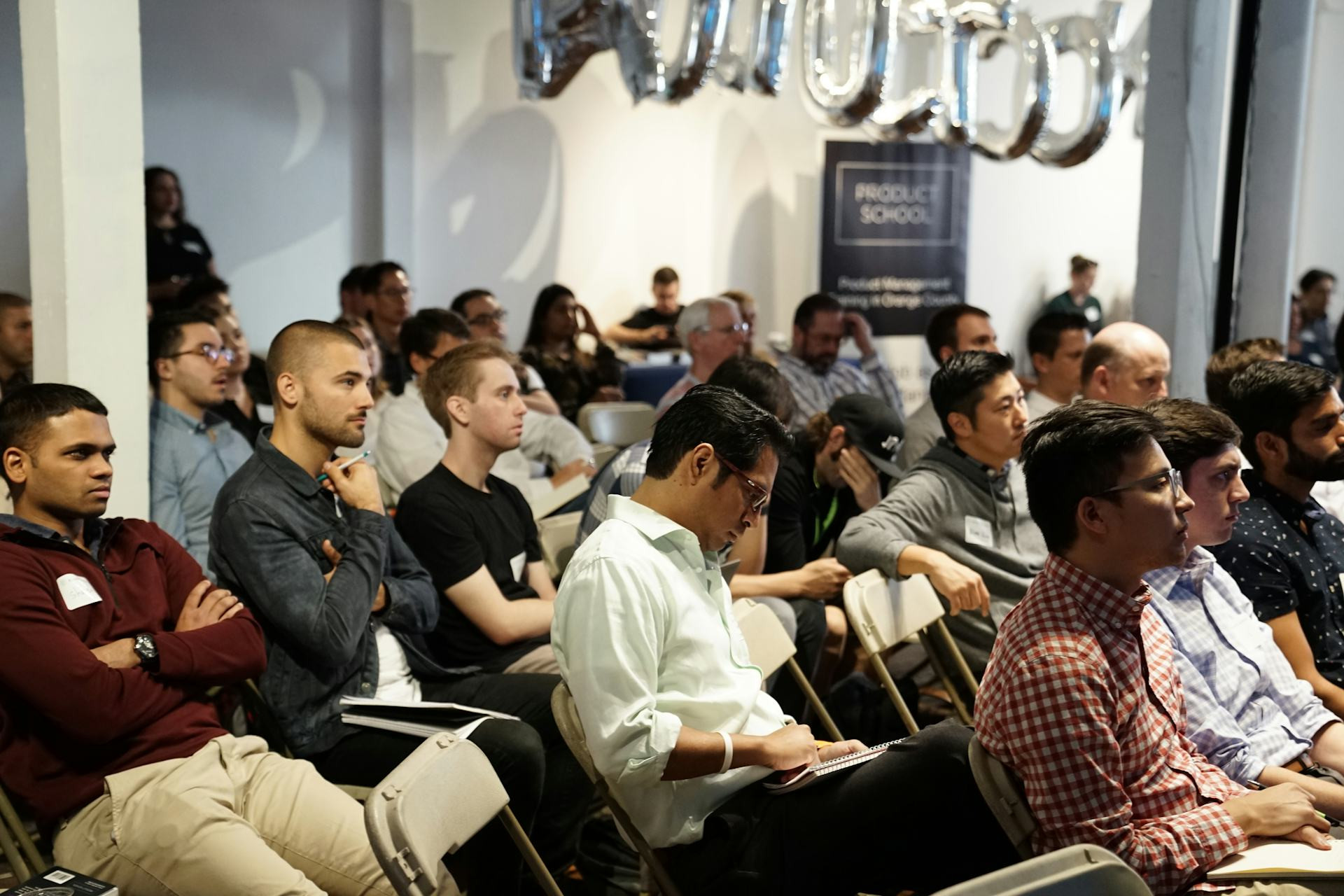
Modern events are not about passive observation—they’re about participation. Attendees want to be part of the experience, not just spectators. That’s why event agencies increasingly use interactive formats that invite people to contribute.
This could include live polls, social media integration, or gamified challenges, as well as physical activities that bring people together. When participants engage both mentally and physically, they connect more deeply with the message—and remember it longer.
Technology as an Experience Driver
Technology now plays a central role in event design. Virtual and hybrid formats make it possible to reach audiences across Canada and beyond, while augmented reality, projection mapping, and immersive soundscapes can bring even complex ideas to life.
But technology is a tool, not the goal. A skilled event agency uses it to enhance the story, not overshadow it. The key is balance—combining digital innovation with human connection so that the experience feels authentic, whether participants are in the room or joining online.
Measuring Impact and Creating Lasting Resonance
An event doesn’t end when the lights go out. The best agencies measure impact—both in terms of participant engagement and communication goals. That might involve post-event surveys, social media analytics, or data from digital platforms.
Equally important is creating resonance. How can the experience live on within the organization? Follow-up videos, photo galleries, or internal campaigns can help sustain the energy and reinforce the message. A well-executed event becomes more than a one-time moment—it becomes part of the company’s ongoing story.
When Experience Becomes Part of the Brand
In a time when both consumers and employees value authenticity, experiences have become a vital part of brand identity. An event agency helps make a company’s values tangible—so they’re not just communicated, but felt.
When a message becomes an experience, it creates connections that no advertisement can match. That’s where the magic happens: when strategy meets creativity, and people leave not just informed, but inspired.
Læs også: