Structure Your Processes: Use Consulting as a Tool for Better Organization

Structure Your Processes: Use Consulting as a Tool for Better Organization
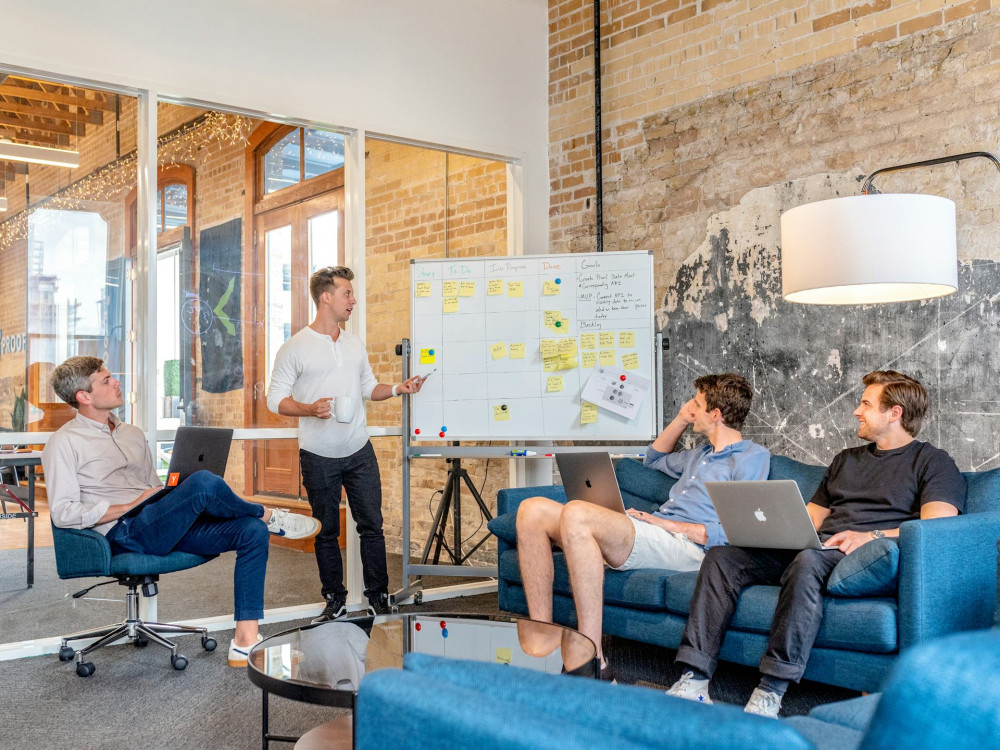
In today’s fast-paced environment—whether in a business, a non-profit, or a public institution—it can be challenging to maintain clarity and direction. Processes expand, responsibilities overlap, and decisions are often made based on habit rather than structure. This is where professional consulting can serve as a powerful tool to bring focus, alignment, and better organization. Consulting is not just about getting answers; it’s about asking the right questions that lead to lasting improvements.
Why Structure Matters
A solid structure is the foundation of effective work. When roles, responsibilities, and workflows are clearly defined, time and energy are freed up for what truly creates value. Without structure, bottlenecks, misunderstandings, and duplicated efforts can easily arise—costing both motivation and results.
Consulting can help identify where structure is lacking. An external consultant brings a fresh perspective and can ask the questions that internal teams may no longer think to ask: Why do we do it this way? What would happen if we changed the sequence? Which tasks could be simplified or automated?
Læs også:

Consulting as a Process—Not a Prescription
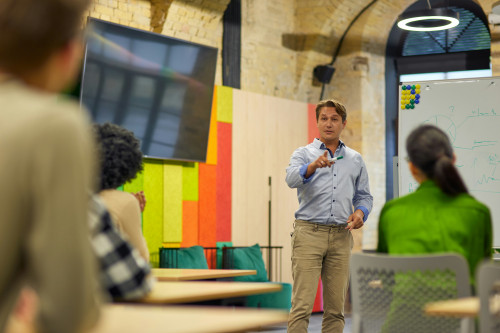
Many people associate consulting with ready-made solutions, but the most valuable consulting often sparks reflection rather than dictating answers. A good consultant acts as a partner and facilitator, guiding the process rather than imposing conclusions.
By involving both leadership and staff in analysis and decision-making, organizations build ownership of the changes being implemented. This ensures that solutions are not only adopted but also embedded in the organization’s culture and daily practices.
From Insight to Action
Once consulting has revealed challenges and opportunities, the next step is turning insight into action. This can be achieved through practical tools such as:
- Process mapping – visualizing workflows so everyone can see where overlaps or bottlenecks occur.
- Prioritization models – helping distinguish between what’s essential and what’s less critical.
- Clear accountability – ensuring everyone knows who is responsible for what, and when.
- Feedback loops – using ongoing input to refine and improve processes continuously.
Consulting can also help create a shared understanding of what good organization means in your specific context. This shared vision makes it easier to sustain improvements over time.
When Change Meets Resistance
Even the best-structured plans can face resistance during implementation. Change takes time, and people react differently to new ways of working. A consultant can help manage this process by fostering dialogue, clear communication, and realistic expectations.
The goal is not to force change but to build understanding of why it’s necessary—and how it can make daily work easier for everyone involved.
Long-Term Benefits: A Balanced Organization
When processes are well-structured and consulting has helped clarify direction, a new sense of calm and confidence emerges within the organization. Decisions are made on a more informed basis, collaboration becomes smoother, and resources are used more effectively.
This doesn’t mean everything becomes rigid—quite the opposite. A strong structure makes it easier to adapt to new demands and opportunities because the foundation is solid. Consulting can therefore be seen as an investment in your organization’s ability to evolve—not just today, but for the future.
A Tool for Both Leaders and Teams
Consulting is not only for executives. When employees are involved in structuring processes, engagement and understanding of the bigger picture grow. This fosters a culture where improvements come not only from outside advice but also from within—as a natural part of everyday work.
Using consulting as a tool for better organization is about more than efficiency. It’s about creating a workplace where structure and collaboration go hand in hand, and where everyone contributes to making processes more meaningful and sustainable.
Læs også: