Unlocking success: 80% of businesses fail due to poor premises choices

Unlocking success: 80% of businesses fail due to poor premises choices
In today’s rapidly evolving business landscape, success often hinges on a myriad of factors. Among these, the choice of premises stands out as a critical decision that can make or break a venture. Studies have shown that approximately 80% of businesses fail because they underestimate the impact of location, space, and environment on their operations. This article delves into the reasons why premises selection is so vital and offers insights on how entrepreneurs can navigate this challenge effectively.
Understanding the Importance of Location
The adage “location, location, location” is often repeated for a reason. A prime location can enhance visibility, accessibility, and customer footfall. For retail businesses, being situated in a high-traffic area can significantly increase sales opportunities. Conversely, a poor location can lead to diminished brand recognition and reduced customer engagement.
Consider the dynamics of demographics. Choosing a premises in an area that aligns with your target audience can facilitate growth. For instance, a coffee shop may flourish in a bustling college town, whereas a luxury boutique might achieve greater success in an upscale neighborhood. Understanding the local community and its needs is essential for making an informed decision.
The Significance of Space
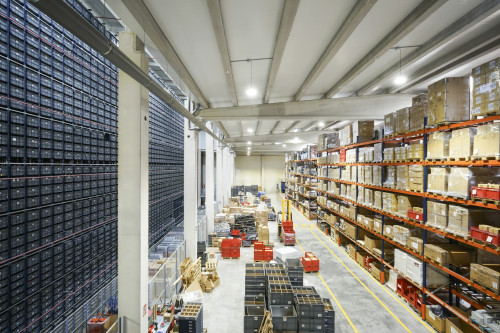
The amount of space you choose directly affects your business operations. Too little space can lead to overcrowding, impacting employee productivity and customer experience. On the other hand, too much space can translate into higher costs without corresponding benefits.
Its crucial to consider your current needs and future growth plans when selecting a premises. Businesses should evaluate how they plan to scale in the coming years. For example, a startup might begin in a small office but may need to plan for larger spaces as they hire more employees and expand operations. The right space allows for flexibility and adaptability.
The Role of Environment
The environment surrounding your premises can significantly influence your business. Factors such as noise levels, aesthetic appeal, and the availability of amenities can impact employee morale and customer satisfaction. An inviting environment encourages customers to linger longer, increasing the likelihood of purchases.
Furthermore, the overall image and reputation of the location can affect how customers perceive your business. A chic office in a trendy part of town may attract a different clientele than one in a remote industrial area. It’s essential to choose an environment that aligns with your brand values and identity.
Cost Considerations
Cost is often a major deciding factor when selecting premises. However, businesses must look beyond the initial rental or purchase price. Hidden costs—such as maintenance, utilities, and property taxes—can accumulate quickly and affect your bottom line.
Additionally, its vital to consider the long-term financial implications. A cheaper location may seem attractive initially but could result in lower customer traffic and ultimately hamper revenues. Conducting a thorough cost-benefit analysis is essential to ensure you are making a sound investment.
Legal and Regulatory Factors
Beyond financial considerations, businesses must navigate a landscape of legal and regulatory obligations. Different locations come with varying zoning laws, permits, and regulations that can affect operations.
For example, a restaurant will need to consider health codes, liquor licenses, and outdoor seating regulations, which may differ significantly from those in another city or state. It is crucial to understand these local laws to avoid potential legal complications that could prove detrimental to your enterprise.
Technology and Infrastructure
In an increasingly digital age, access to reliable technology and infrastructure is also integral to the success of a business. High-speed internet, public transport, and utilities can directly impact operations.
Businesses should assess whether potential premises are equipped with the necessary technological infrastructure to support their needs. A tech startup, for instance, would benefit greatly from a location with robust internet options and proximity to other tech firms or startup ecosystems.
Making Informed Decisions
Selecting the right premises involves careful research and strategic planning. Engaging professionals—such as real estate agents, consultants, and legal advisors—can provide invaluable insights and support during this process.
Taking the time to analyze the various factors outlined can ultimately lead to smarter premises choices that foster long-term success. The right environment can pave the way for opportunities, while a poor choice may hinder your business growth and sustainability.